A brand is worth more than its products when customers pay a premium for it, defend it publicly, and would miss it if it disappeared. That doesn't happen by accident — it happens by design. Here are the five elements that make it possible.
Apple sold the most expensive phone on the market for years not because its hardware was infinitely superior to the competition, but because belonging to the Apple ecosystem meant something. Hermès sells handbags with waiting lists not because they're the world's finest craftsmanship, but because owning one means something specific to the person carrying it.
That's brand equity: the additional value a brand adds to its products or services above and beyond their functional value. And while it may sound abstract, it has very concrete consequences on margins, customer retention, and resistance to competitive pressure.
Over twelve years working with brands in Puerto Vallarta, the Riviera Nayarit, and across Mexico, we've learned that brand equity isn't reserved for large corporations. It's perfectly buildable for a boutique hotel, a chef-driven restaurant, a real estate brand, or a professional services firm.
The difference between having a logo and having a brand
The most common mistake we see in companies that want to "do branding" is confusing visual identity with brand. A logo is a symbol. A color palette is a palette. A typeface is a font. They're tools, not the brand itself.
The brand exists in people's minds. It's the sum of all the experiences, perceptions, expectations, and associations someone has with your company. You can change the logo tomorrow — the brand will take years to change.
Your logo is what your brand looks like. Your culture is what your brand is. Your reputation is what your brand is worth.
The most valuable asset almost no company takes care of
Brand reputation is the most valuable and most fragile asset of any company. It's harder to build than any physical infrastructure, harder to copy than any technology, and more profitable in the long run than any advertising campaign.
Yet most companies in Mexico have no one formally responsible for it. Marketing handles communication, customer service handles complaints, and executives make strategic decisions — but no one coordinates how all of this impacts brand perception over time.
Companies that do — that have a clear brand vision and actively manage it — tend to grow faster, attract better talent, retain customers more easily, and weather crises more effectively.
The five elements of a brand that generates value
1. Authentic brand purpose
Brand purpose isn't a slogan or a mission statement for the website. It's your company's reason for existing beyond generating profit. Brands with authentic purpose — one reflected in real decisions, not just communication — generate up to three times more loyalty than those without, according to studies by Edelman and Kantar.
The purpose doesn't have to be grand. For a boutique hotel in Sayulita it could be "creating the space where families reconnect." For a real estate agency in Punta Mita it could be "helping people find the place where they want their best years to unfold." What matters is that it's genuine and that it informs decisions.
2. Consistent, scalable visual identity
Visual identity does matter — but as a system, not a collection of elements. A brand that looks identical on Instagram, in an email signature, on the restaurant menu, and on the front door sign communicates professionalism and attention to detail non-verbally. And in luxury markets, that non-verbal communication is worth as much as the explicit kind.
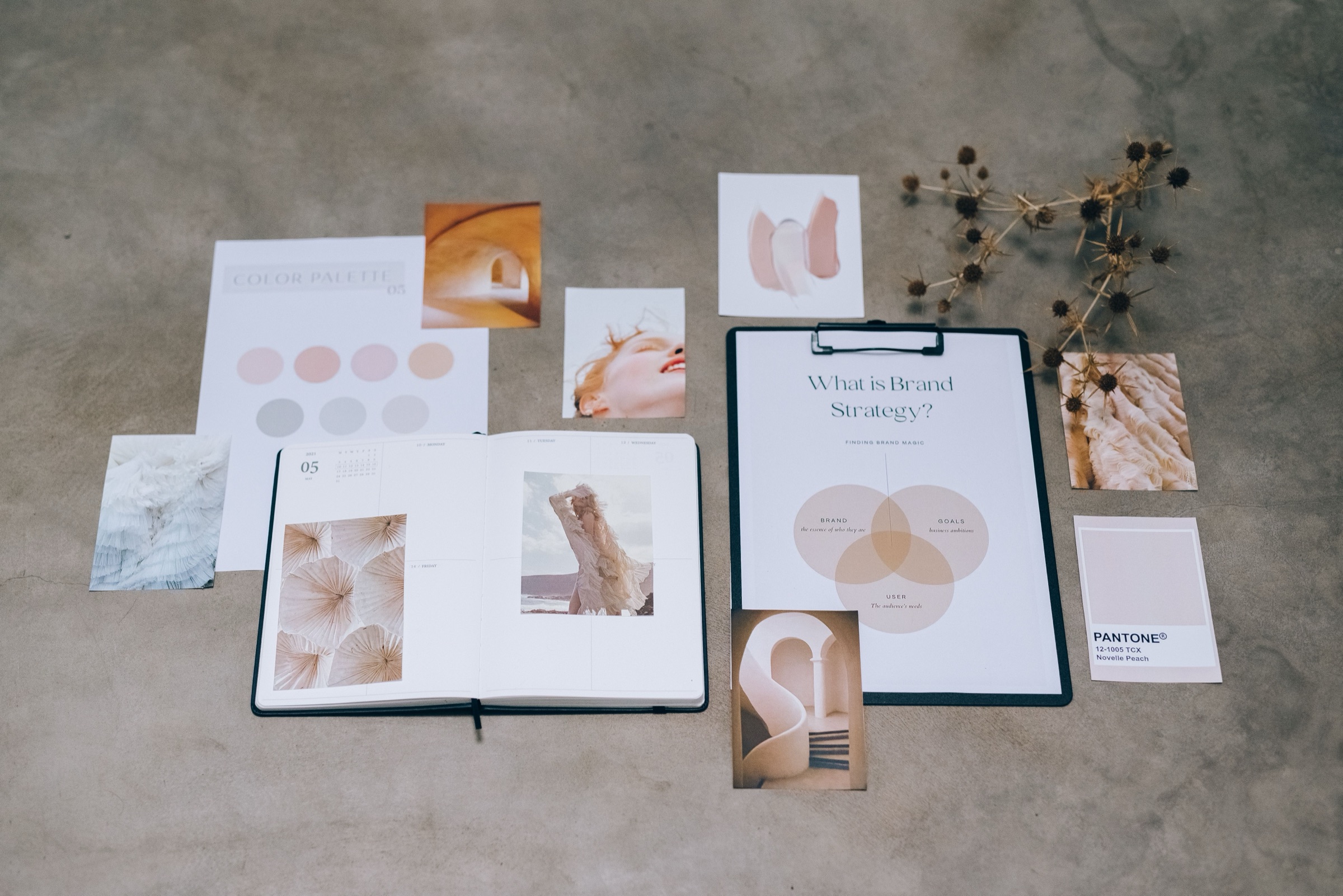
A robust visual identity system includes: logo in all its variants, primary and secondary color palettes with exact codes, typography with usage guidelines, a defined photographic style, and secondary graphic elements — all documented in a Brand Book any vendor can follow.
3. A distinctive communication tone
Your brand's tone is as identifiable as your visual identity — or it should be. Brands that have built strong communities have a voice their followers would recognize in any post, even without seeing the logo.
Defining communication tone goes beyond deciding whether your brand is "formal" or "informal." It means building a distinct vocabulary, defining which topics are your brand's territory and which aren't, establishing how your brand responds to criticism, and what kind of humor (if any) is consistent with your positioning.
4. End-to-end brand experience
The brand experience doesn't start when the customer walks into your establishment and doesn't end when they leave. It starts with the first ad they see, continues through their first Google search, the response speed when they reach out, the packaging of your product, the follow-up email, how they're treated if something goes wrong — and continues long after, in how they talk about you to others.
Brands that understand this design each of those moments with equal care. Not because every detail is equally important, but because the wrong details destroy the perception that the right details built.
5. Community and belonging
The most defensible asset a brand can build is a community of people who identify with it and with each other. When your customers feel that belonging to your brand says something about who they are, they stop being customers and become ambassadors.
Building community doesn't require a formal membership program or an app. It requires content that generates conversation, brand decisions that generate pride (in the positive sense), and mechanisms for your most loyal customers to find each other.
The valuable brand test
Ask yourself: if your company disappeared tomorrow without warning, how many of your customers would genuinely mourn it — beyond the practical inconvenience? If the answer is "few," you have a business. If the answer is "many," you have a brand. Branding is the path from the first to the second.
Why luxury brands cost more and charge more
Luxury brands have mastered brand equity better than anyone. Not because they have larger advertising budgets — in many cases they invest less than mass-market brands — but because they understand that luxury isn't a quality level, it's a language.
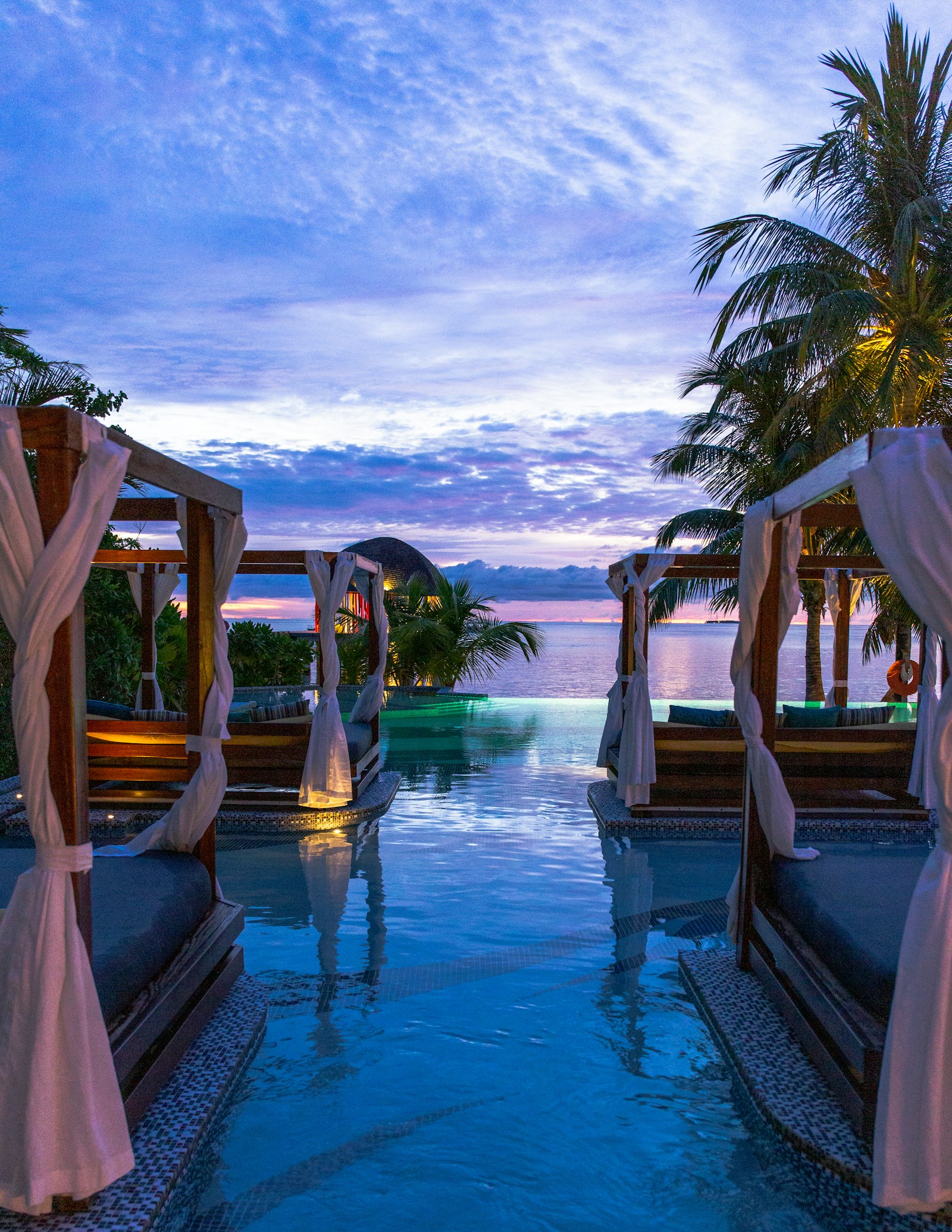
In the luxury tourism market of Puerto Vallarta and the Riviera Nayarit, the properties that charge the most per night aren't always the ones with the best physical facilities. They're the ones that have built a more powerful brand narrative, a more loyal community, and a more solid reputation. That's brand equity in action.
And the good news is that brand equity doesn't require decades or million-dollar budgets to build. It requires consistency, intention, and the commitment to treat the brand as the strategic asset it is — not as a marketing expense.
Our brand building process at Estudio Alterna
At Estudio Alterna we work brand building in three phases: diagnosis, architecture, and activation.
In the diagnosis we evaluate where the brand stands today — its current perception, real strengths, inconsistencies, and the gap between how the company sees itself and how its customers see it. This gap is usually revealing, and it's the most honest starting point for any branding work.
In the architecture we define the complete system: purpose, positioning, brand promise, visual identity, communication tone, and brand experience across all touchpoints. This is the strategic work that gives everything else coherence.
In the activation we implement that system in the real world: website, social media, materials, physical spaces, team training. And we establish the indicators that let us measure how brand perception evolves over time.
A strong brand isn't a luxury for large companies. It's the most durable competitive advantage any business can build, regardless of size.
If your company is ready to stop competing on price and start competing on meaning, Estudio Alterna can guide you through that process. We've worked with tourism, real estate, and lifestyle brands in Puerto Vallarta and the Riviera Nayarit to build identities that generate real, lasting value.